1st Grade Batter Up
As an embroidery designer and product reviewer, I’ve evaluated countless machine embroidery designs. 1st Grade Batter Up stands out as a versatile, engaging option for back-to-school projects and beyond. It’s the kind of design that feels both nostalgic and modern, with a playful energy that translates well across different mediums. Whether you're creating custom apparel, personalized gifts, or small business merchandise, this design has potential—but it also comes with considerations that every embroiderer should be aware of.
The First Impression: A Playful, Nostalgic Design
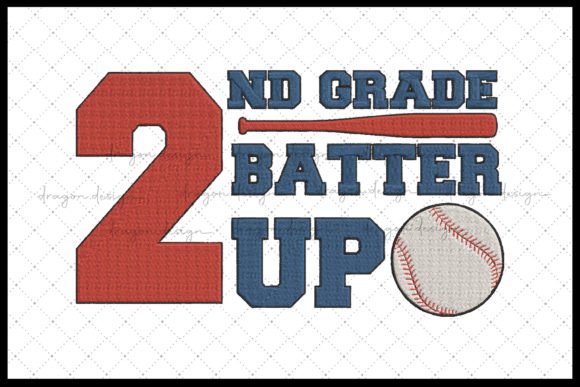
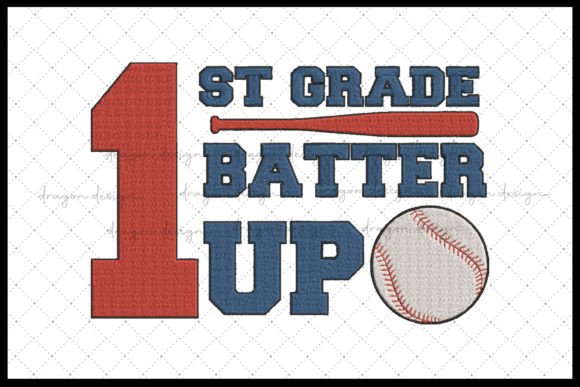
From the moment you open the 1st Grade Batter Up file, it’s clear this is a design meant for fun. The layout is clean, with a bold, stylized baseball theme that evokes childhood memories. The shapes are simple but well-proportioned, making it easy to work with on various fabric types. The design’s visual personality is friendly and approachable, which makes it ideal for baby items, children’s clothing, and back-to-school accessories.
The detail level is moderate. It includes elements like a baseball, a bat, and some text—enough to make it recognizable without being overly complex. This balance is key for embroidery projects where clarity and stitchability matter. The design doesn’t require excessive stitch density, which is a plus for those working with smaller hoop sizes or thinner fabrics.
Real-World Use Cases: Where 1st Grade Batter Up Shines
One of the first scenarios that comes to mind is a custom embroidered tote bag. Imagine a parent shopping for a new school supply, looking for something that’s both functional and expressive. 1st Grade Batter Up could be the perfect touch, adding a personal flair to a reusable bag. It would look great on a cotton canvas tote, especially if paired with a contrasting thread color for maximum visibility.
Sweatshirts and t-shirts are another natural fit. The design’s size and layout make it suitable for chest placements, and its simplicity ensures it won’t overwhelm the garment. For small business owners, this could be a valuable addition to an Etsy shop or craft fair booth, especially during back-to-school season. The design’s appeal is broad enough to attract parents, teachers, and even young students who want to personalize their own gear.
It also works well for baby items. A onesie or a baby blanket with 1st Grade Batter Up could become a cherished keepsake. The design’s soft, playful vibe aligns with the needs of newborns and toddlers, and its size allows for easy placement on lightweight fabrics.
Where to Be Cautious: Limitations and Considerations
While 1st Grade Batter Up is generally user-friendly, there are situations where it may not perform as expected. For example, on small hoop sizes, the design might require splitting into sections, which can be time-consuming. If you’re working with textured fabrics or stretchy materials, you’ll need to use the right stabilizer to prevent puckering or distortion.
Thin or dark fabrics can also pose challenges. On dark backgrounds, the design may appear less vibrant unless you choose a thread color that contrasts well. For commercial embroidery projects, it’s important to test the design on the specific fabric your client will use. You don’t want to end up with a finished product that looks dull or unclear.
Another consideration is the design’s suitability for curved surfaces, like caps or hats. While 1st Grade Batter Up isn’t overly detailed, its shape might not sit perfectly on a rounded surface. You may need to adjust the design slightly or use a different placement to ensure it looks good from all angles.
Impact on Visual Appeal and Customer Perception
When it comes to visual appeal, 1st Grade Batter Up has a strong presence. Its clean lines and bold shapes make it easy to recognize, which is essential for branding and giftability. Customers often appreciate designs that are immediately identifiable, especially when they’re looking for something unique or personal.
Stitching clarity is another factor. The design’s moderate stitch density means it should come out cleanly on most machines, provided you follow proper embroidery techniques. This helps maintain the professionalism of your handmade products, which is crucial for building customer trust and repeat business.
For small business owners, the design’s versatility adds value. It can be used in multiple product lines, from apparel to home decor, making it a flexible asset in your design library. When presented well, it can elevate the overall quality of your offerings and help you stand out in a competitive market.
Practical Tips for Embroidery Designers
Before using 1st Grade Batter Up in a real project, always test it on scrap fabric. This helps you assess how it looks on different materials and identify any issues early on. Pay attention to thread color contrast, especially if you plan to use it on dark or light backgrounds.
Review the stitch density and confirm the hoop size required. Some designs may need larger hoops, which can be a limitation if you’re working with limited space. Also, check for any small details that might get lost during stitching, such as tiny lettering or intricate corners.
If you’re planning to sell finished products or digital files, make sure you understand the licensing terms. Even though 1st Grade Batter Up appears to be a general-use design, it’s always best to verify before incorporating it into your commercial workflow.
Final Thoughts: A Solid Choice for Back-to-School Projects
Overall, 1st Grade Batter Up is a reliable machine embroidery design that offers both aesthetic appeal and practical usability. It’s well-suited for a variety of applications, from custom apparel to personalized gifts. However, like any design, it requires thoughtful application to achieve the best results.
Whether you’re a hobbyist, a small business owner, or a professional embroiderer, this design has the potential to enhance your creative work. Just remember to consider the fabric, hoop size, and stitch settings before committing to a project. With the right approach, 1st Grade Batter Up can become a valuable part of your embroidery toolkit.