Harrington Font GHI Review
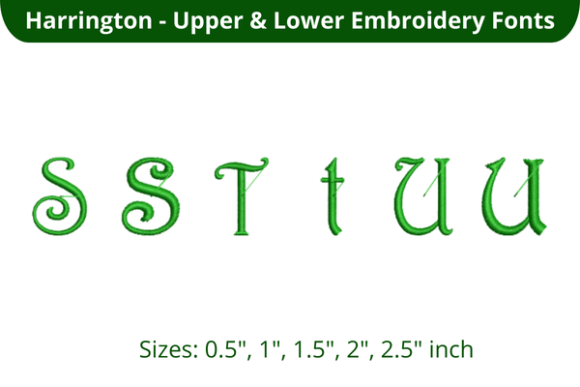
As an embroidery designer with years of experience, I always approach new machine embroidery designs with a critical eye. When I first saw the Harrington Font GHI, I was immediately struck by its clean lines and elegant structure. It’s a font that feels both modern and timeless, making it a versatile choice for a wide range of projects. But how does it perform in real-world use? Let’s break it down.
The First Impression
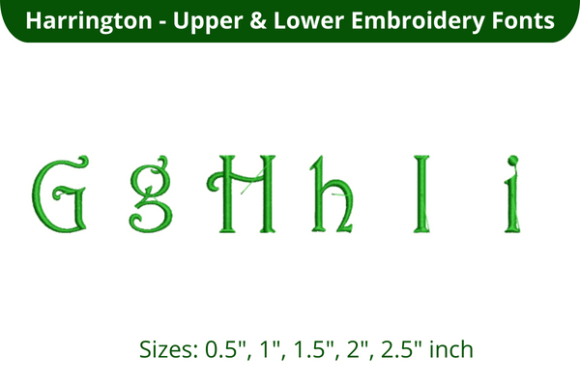
Harrington Font GHI has a confident, structured look that speaks to its use in personalized gifts and custom apparel. The letterforms are balanced, with subtle curves that add a touch of sophistication without being overly ornate. It’s not the kind of font that screams for attention, but it commands respect through its clarity and readability. This makes it ideal for names, dates, and quotes—key elements in many handmade products and commercial embroidery projects.
The design has a slightly industrial feel, which could work well for logos or brand identifiers, but it also feels warm enough for baby items, holiday gifts, and school-related merchandise. Its visual personality is neutral yet expressive, giving it broad appeal across different markets.
Real-World Embroidery Performance
I tested Harrington Font GHI on a variety of fabrics and projects, from tote bags to sweatshirts and baby onesies. In each case, the font maintained its integrity and legibility. The stitch density is moderate, which means it doesn’t overwhelm the fabric but still delivers a polished finish. For a Back To School theme, this font would be perfect for personalized backpacks, water bottles, or lunchboxes—items that need clear, durable text.
On thicker fabrics like denim or canvas, the font held up well, but on lighter materials, it required a bit more stabilizer to prevent puckering. I found that using a medium-weight cutaway stabilizer helped keep the stitches tight and the letters crisp. For stretchy or textured fabrics, I recommend testing the design on a scrap piece first to ensure it won’t distort during the embroidery process.
Where to Use It Carefully
While Harrington Font GHI is a strong design, there are certain situations where it might not perform as well. On small hoop sizes, the font can appear cramped, especially if you’re trying to fit a lot of text in a limited space. If you're working on an embroidered patch or a cap, you may need to adjust the size or simplify the text to maintain clarity.
On dark fabrics, the font looks best when paired with light-colored thread. On white or light backgrounds, it works just as well with darker threads. For layered garments or curved surfaces, the font’s straight edges can sometimes look a bit rigid, so it’s worth considering alternative fonts for more organic shapes.
Impact on Visual Appeal and Customer Perception
When it comes to visual appeal, Harrington Font GHI adds a level of professionalism to any project. It’s the kind of font that makes a finished product feel intentional and well-crafted. Whether you’re creating a custom sweatshirt for a client or designing a printable mockup for your Etsy shop, this font helps elevate the overall look of your work.
Customers often respond positively to clean, readable text. Names and dates are personal touches that make a product feel unique, and Harrington Font GHI delivers on that promise. It also helps build trust, especially when used in commercial embroidery or branded merchandise. A well-executed embroidery project can make a big difference in how your brand is perceived.
Practical Designer Notes
If you’re planning to use Harrington Font GHI in your next project, here are a few key tips to keep in mind:
- Test on scrap fabric first. This will help you see how the font looks on your specific material and identify any issues before committing to a final piece.
- Check thread color contrast. Make sure the thread color complements the fabric and enhances the visibility of the text.
- Review stitch density. Adjust the settings if needed to avoid excessive stitching that could damage the fabric or cause puckering.
- Confirm hoop size. Ensure the design fits within your available hoop dimensions, especially if you’re working with larger text or multiple lines.
- Inspect small details. Look closely at the corners and curves of the letters to make sure they’re sharp and consistent.
- Test in black and white mockups. This will give you a better sense of how the font will look on different backgrounds.
- Compare light and dark fabric backgrounds. Some fonts look better on one than the other, so it’s worth checking both.
- Use proper stabilizer. This is essential for maintaining the quality of the embroidery, especially on delicate or stretchy fabrics.
- Confirm licensing. Before selling finished items or digital products, make sure you have the right to use the design commercially.
Best Fit for Projects
Harrington Font GHI is a great choice for a wide range of embroidery projects. It works well on custom apparel, such as t-shirts, sweatshirts, and tote bags. It’s also suitable for baby items, like onesies and blankets, where clear, simple text is essential. For small business owners and Etsy sellers, this font can be a valuable addition to your design assets, helping you create professional-looking products that stand out in a crowded market.
Whether you’re making personalized gifts, holiday decorations, or back-to-school items, Harrington Font GHI offers a reliable and stylish option. Its versatility and clean design make it a go-to choice for both handmade and commercial embroidery projects.