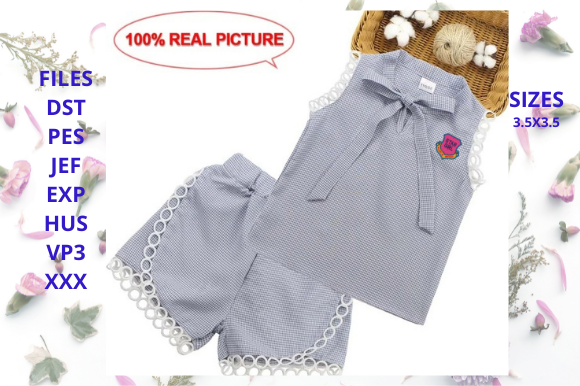
Kid Patch Star Boy
As a designer and embroidery product reviewer, I often find myself evaluating machine embroidery designs with a critical eye—especially when they’re meant for real-world use. Kid Patch Star Boy is one such design that caught my attention not just for its aesthetic appeal but for how it could translate into practical projects. Whether you're an Etsy seller, a small shop owner, or a hobbyist looking to add value to your handmade products, this design has potential—but it also comes with some considerations.
The First Impression: A Bold, Playful Design
Kid Patch Star Boy immediately evokes a sense of fun and energy. The star motif is clean, modern, and perfect for a boy’s wardrobe or any back-to-school project. Its layout is balanced, with a central star that feels like the focal point, surrounded by subtle details that give it character without overwhelming the design. The shape is simple enough for most embroidery machines, but it still carries enough visual interest to stand out on custom apparel, baby clothes, or even a personalized tote bag.
The theme is clear: a playful, kid-friendly design that works well for both casual and slightly more formal settings. It’s not too flashy, but it’s definitely eye-catching. The design’s visual personality makes it ideal for embroidered patches, sweatshirts, or caps—items that are both functional and expressive.
Real-Life Embroidery Use Cases
When I think about where Kid Patch Star Boy would fit best, I imagine it on a custom sweatshirt for a school event, a baby onesie, or even a patch for a backpack. It’s versatile enough to work on a range of fabrics, from cotton t-shirts to denim jackets. However, its performance depends heavily on how it’s executed.
For example, if you’re using it as a tote bag design, the size and placement matter. If the star is too large for the hoop, it might require multiple hooping, which can affect stitch consistency. On a cap, the curved surface adds another layer of complexity, especially if the design includes fine details like satin stitches or fill stitches. These elements need to be carefully planned to avoid distortion or thread breakage.
On thicker fabrics like denim or canvas, the design holds up well, but on thin or stretchy materials, it may require extra stabilizer to prevent puckering. For baby clothes, where softness and comfort are key, a lighter stitch density might be preferable to maintain fabric drape while still delivering a clear image.
Where to Be Careful: Design Limitations
While Kid Patch Star Boy is a solid design, there are areas where it might not perform as expected. Small hoop sizes can be a challenge, especially if the design requires multiple sections. If you're working with a limited hoop space, you might need to adjust the design or split it into parts—a consideration that could slow down your workflow.
Another area to watch is textured or dark fabrics. The design’s contrast against a dark background might not be as strong as on light-colored materials. If you’re planning to use it on a black hoodie or jacket, test it first to ensure the thread colors provide enough visibility. Similarly, on stretchy or delicate fabrics, the design may require a bit more care during stitching to avoid pulling or stretching the fabric.
If you’re using it for layered garments or items that will see frequent washing, make sure the stitch density is appropriate. Too dense, and it might cause the fabric to stiffen; too light, and the design might fade over time.
Impact on Visual Appeal and Customer Perception
When it comes to visual appeal, Kid Patch Star Boy delivers a professional look that can elevate any handmade product. It’s the kind of design that customers notice and appreciate, especially when used in a cohesive way across different items. For an Etsy seller or small business owner, this can translate into better engagement, higher conversion rates, and stronger brand recognition.
But it’s not just about looks. The clarity of the stitching matters. If the design is poorly executed—whether due to incorrect hoop size, improper stabilizer, or mismatched thread colors—it can look unprofessional. That’s why testing is so important. A quick test on scrap fabric can save you from costly mistakes later.
From a customer perspective, a well-executed Kid Patch Star Boy design can feel like a thoughtful, personalized gift. It’s easy to imagine a parent choosing a custom sweatshirt with this design for their child, or a teacher selecting a tote bag with it for a classroom project. The design’s simplicity and charm make it highly giftable and recognizable.
Practical Designer Notes: What to Check Before Using
Before jumping into a project with Kid Patch Star Boy, here are a few things to consider:
- Test on scrap fabric to see how the design looks in real life and how it interacts with different materials.
- Check thread color contrast to ensure the design stands out on your chosen fabric.
- Review stitch density to balance detail with fabric flexibility.
- Confirm hoop size to avoid unnecessary splitting or re-hooping.
- Inspect small details, especially if the design includes intricate elements like running stitches or satin edges.
- Test in black and white mockups to assess how the design translates without color.
- Compare light and dark backgrounds to determine the best fabric choices.
- Use proper stabilizer for delicate or stretchy fabrics to maintain quality.
- Check licensing before selling finished items or digital products.
These steps aren’t just about technical accuracy—they’re about ensuring that Kid Patch Star Boy meets the expectations of your customers and fits into your creative process smoothly.
Final Thoughts: A Design Worth Considering
Kid Patch Star Boy is a design that offers both style and function. It’s well-suited for a variety of embroidery projects, from back-to-school essentials to personalized gifts and commercial merchandise. However, its success ultimately depends on how it’s applied. With careful planning, testing, and execution, it can become a valuable addition to your design portfolio or product line.
Whether you're an experienced embroiderer or just starting out, this design is worth exploring—but always approach it with a practical mindset. After all, the goal isn’t just to create something beautiful, but something that resonates with your audience and stands the test of time.